CMI
Card payments through Morocco’s Centre Monétique Interbancaire, with confirmations and receipts generated on the server.
Service · iOS & Android · Morocco
From our offices in Casablanca, Rabat and Marrakech, VCTRUM designs, builds and publishes iOS and Android apps for businesses and founders in Morocco. One React Native codebase serves both the App Store and Google Play, with payments that work in the Moroccan market and an interface in French, Arabic and English. An MVP typically takes 10 to 16 weeks, and our mobile apps start at 30,000 MAD.
Start a project →See pricing →
An app is more than screens on a phone. Behind every button there’s a server, a database and someone on your team handling orders. We deliver all of it:
You own 100% of the code, designs and intellectual property, handed over with documentation and access.
We build with React Native and Expo: one codebase, two published apps, one on the App Store and one on Google Play. Each feature is written once: the budget goes down, and the Android version never falls behind the iPhone.
This covers the vast majority of service apps: bookings, commerce, delivery, rentals, tracking. When a feature reaches deep into the phone (a specific sensor, heavy on-device processing), our engineers write that module in Swift or Kotlin and plug it into the rest of the app. If your project truly calls for two fully native apps, we’ll tell you during discovery.
| React Native + Expo | Two native apps (Swift + Kotlin) | |
|---|---|---|
| Code to write | One shared codebase | Two separate codebases |
| New feature | Ships on iOS and Android at the same time | Built and tested twice |
| Urgent fix | Over-the-air update possible | New build submitted to the stores |
| Best for | Service, commerce and booking apps | Very specific hardware use or heavy processing |
An MVP (minimum viable product) is the first published version: complete enough for real customers to use and pay, small enough to ship in 10 to 16 weeks. Scoping means making the call screen by screen. Here’s the split we suggest most often:
| In the MVP | Better in version 2 |
|---|---|
| Sign-up by phone number or email | Social login, referral program |
| The main journey end to end: search, book or order, pay | Secondary journeys and edge cases |
| One online payment method, plus cash on delivery if your market expects it | Wallet, saved cards, multiple currencies |
| Status notifications: confirmed, on the way, done | Automated marketing campaigns |
| A simple back office to process orders | Advanced dashboards and exports |
| French and Arabic, if your customers expect them | Additional languages |
One customer app, or two apps for customer and provider like WashMinute: that’s one of the main price drivers. Details are on our pricing page.
Pick the payment method at the start, not the night before launch: it shapes the checkout flow, the server-side calculations and the paperwork you’ll need to open a merchant account.
Card payments through Morocco’s Centre Monétique Interbancaire, with confirmations and receipts generated on the server.
Another Moroccan payment gateway. WashMinute takes card payments this way, or cash on delivery if the customer prefers.
Used for Cardnd: a deposit paid online at booking, the balance settled at vehicle handover, prices shown in MAD or EUR.
Often essential in delivery and commerce. The app then tracks what was collected, by whom, and what’s still owed.
Selling a subscription or digital content used inside the app? Apple and Google rules often require their own in-app purchase system. We check this during discovery.
Translating the labels isn’t enough. In Arabic, the whole interface flips: navigation, arrows, button order, the alignment of prices and quantities. In hanout, the retail and wholesale grocery app, Arabic mirrors the navigation and the purchase controls: localization shapes the layout, not just the words.
We design the mockups in French, Arabic and English from the design phase, not at the end of the project. It costs less than reworking the screens later, and the Arabic text stays properly aligned as the app evolves.
We recommend opening the Apple and Google accounts in your company’s name. Both stores verify the business’s identity, so we start this paperwork at the very beginning of the project.
Every sprint, a build you install on your own phone through TestFlight or Google Play internal testing.
Screenshots, descriptions, privacy policy, then submission. Apple and Google review every version and may ask for changes before it goes live.
The release can go out in stages, so we watch the first users before opening it to everyone.
With Expo, an interface or logic fix ships remotely without waiting for a new review. Native changes (a new permission, a new module) go back through the stores.
Usage analytics, crash reporting and a monthly report: performance, incidents, hosting costs and priorities.
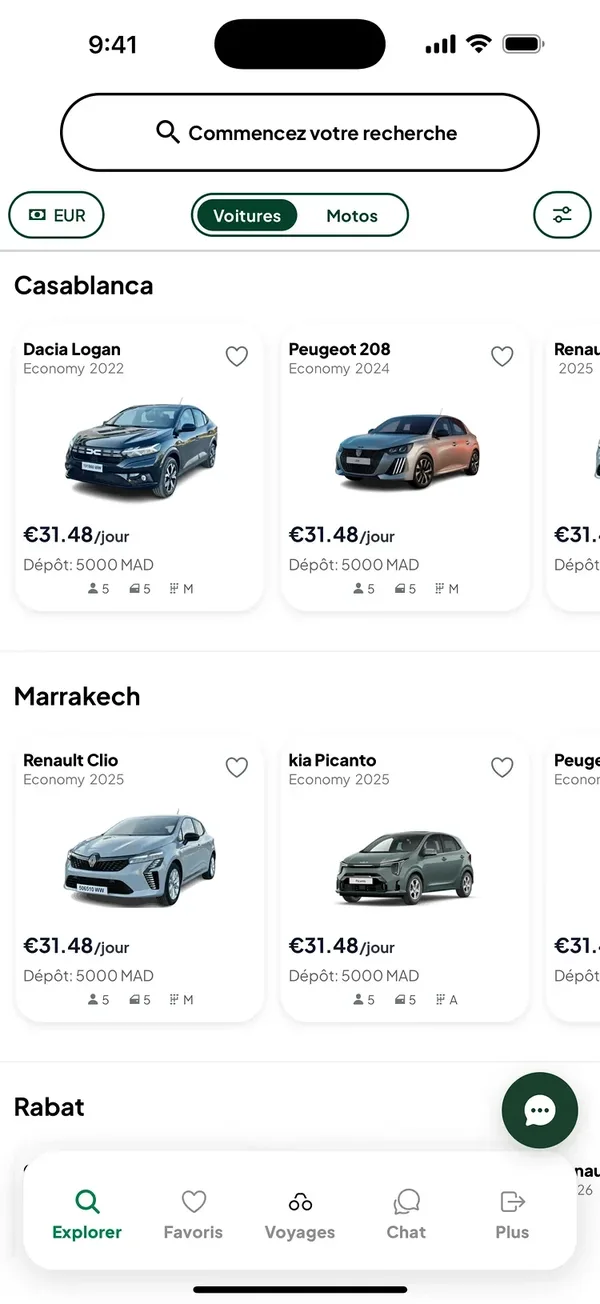
Car rental marketplace connecting travelers and rental agencies: iOS and Android app, agency portal, back office and website. In production; it reached #19 on the App Store.
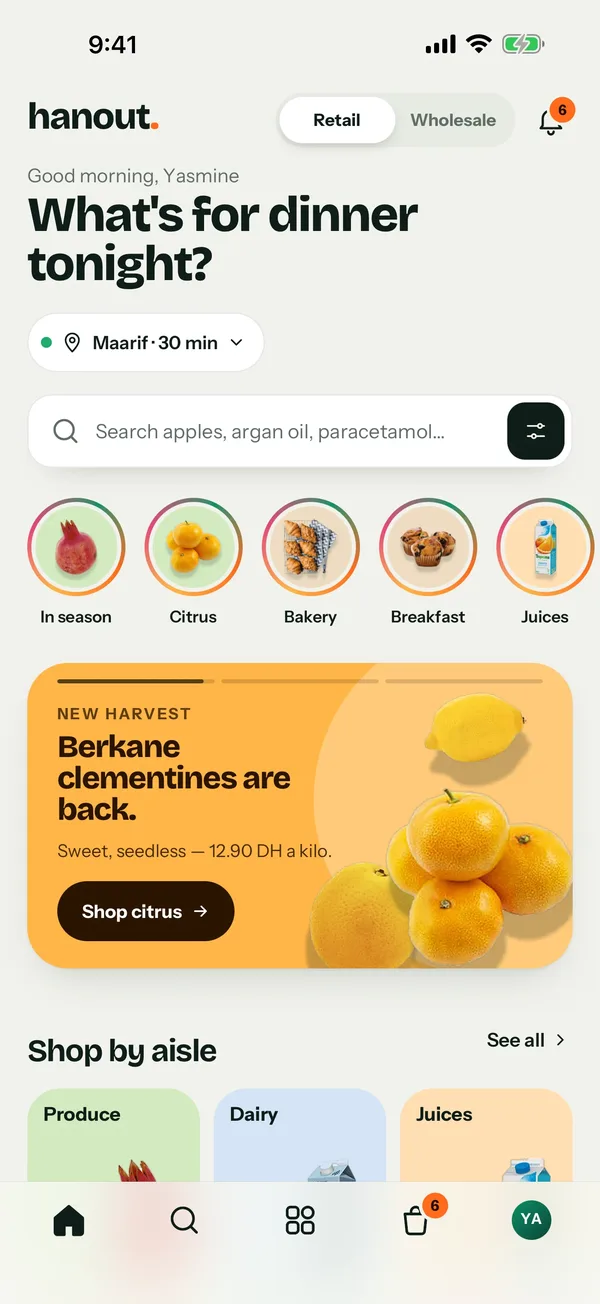
The neighborhood grocery as one app with two modes: retail for households, wholesale for merchants, with tiered pricing, tracked delivery and right-to-left Arabic. Launching soon.
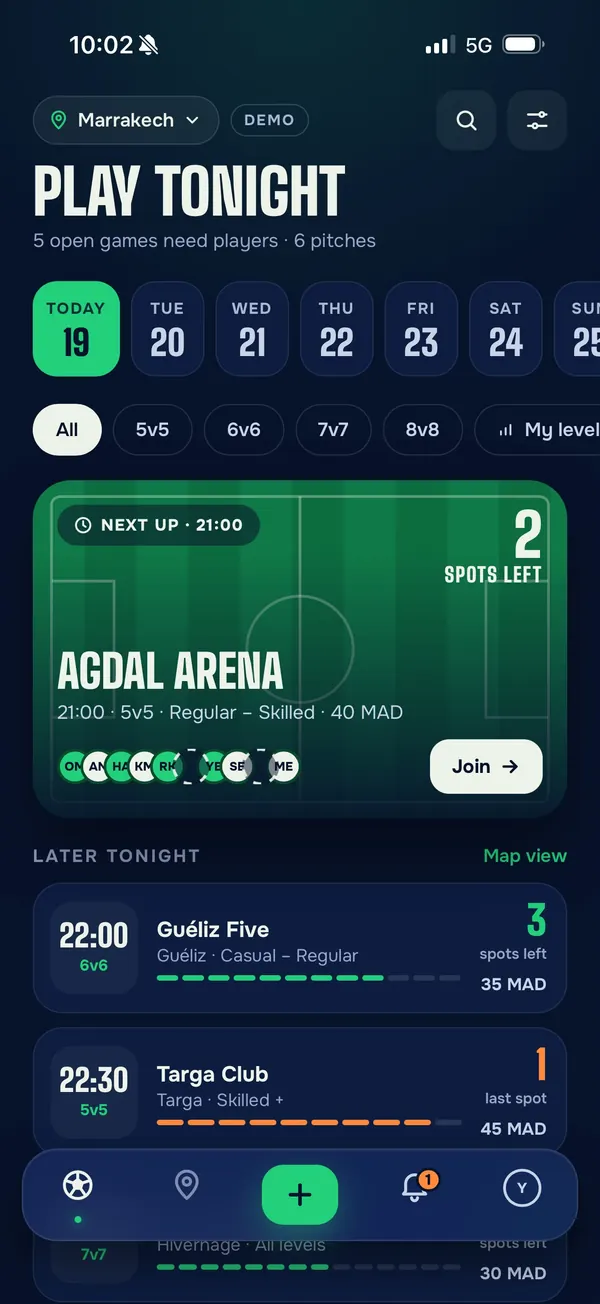
At-home car wash: a customer app, a washer app, live dispatch and card payments via NAPS or cash on delivery.
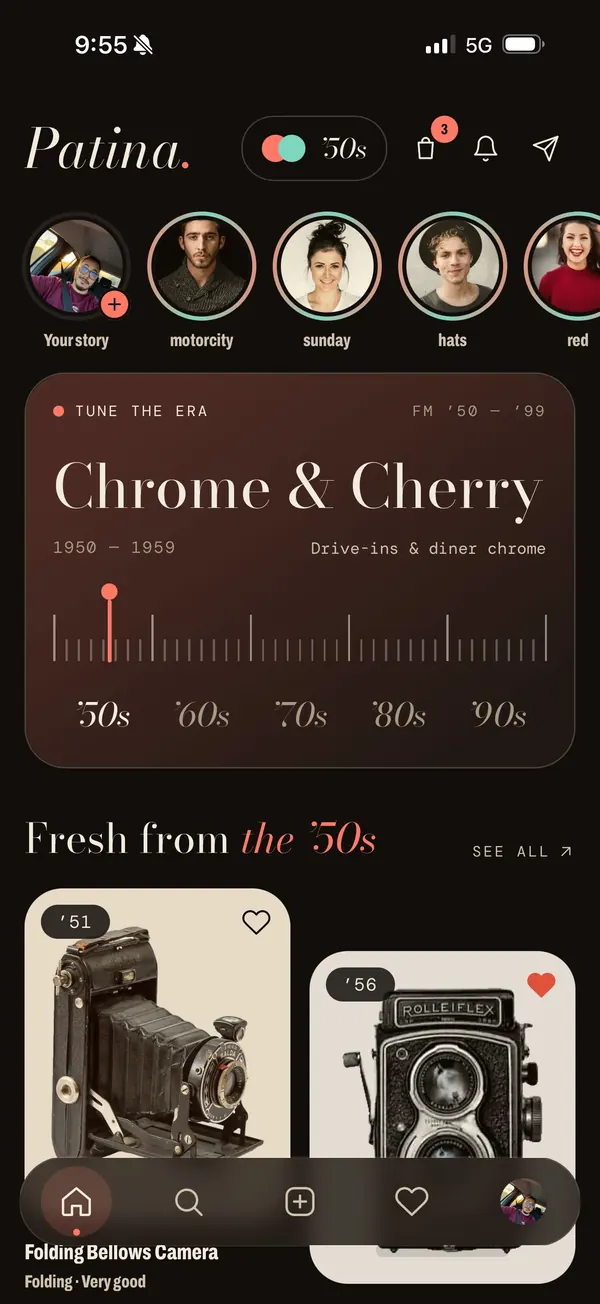
A personal finance app with no bank connection, built offline-first: log an expense in seconds, even without a signal.
Real projects, with their screens and their status.
Our mobile apps start at 30,000 MAD. The price goes up with the number of apps, online payments, real-time features, the back office and languages. After a free discovery call, you get a detailed proposal: scope, price and timeline fixed, with payments by milestone.
No. One React Native codebase produces both apps, published on the App Store and Google Play, and both versions move forward at the same pace.
Plan on 10 to 16 weeks for an MVP, publishing included; the exact schedule is set after discovery. Store review can ask for changes, so we prepare accounts, listings and the privacy policy early.
We recommend opening the developer accounts in your company’s name, so you stay in control of publishing. You own 100% of the code, designs and intellectual property. At the end of the project, you receive the documentation, access and training.
Yes. Fixes ship over the air; deeper changes go out as a new version through the stores. Our maintenance and enhancement plan covers monitoring, fixes, new features and a monthly report.
Yes, when the use case calls for it. SpendingPal stores data on the phone and stays usable offline. For a connected app (orders, bookings), we can keep the last screens viewed and queue actions until the network comes back. This is decided during scoping, because it changes the architecture.
Describe your idea in two minutes. We reply within 24 hours to set up a free discovery call, and we sign an NDA before getting into the details.